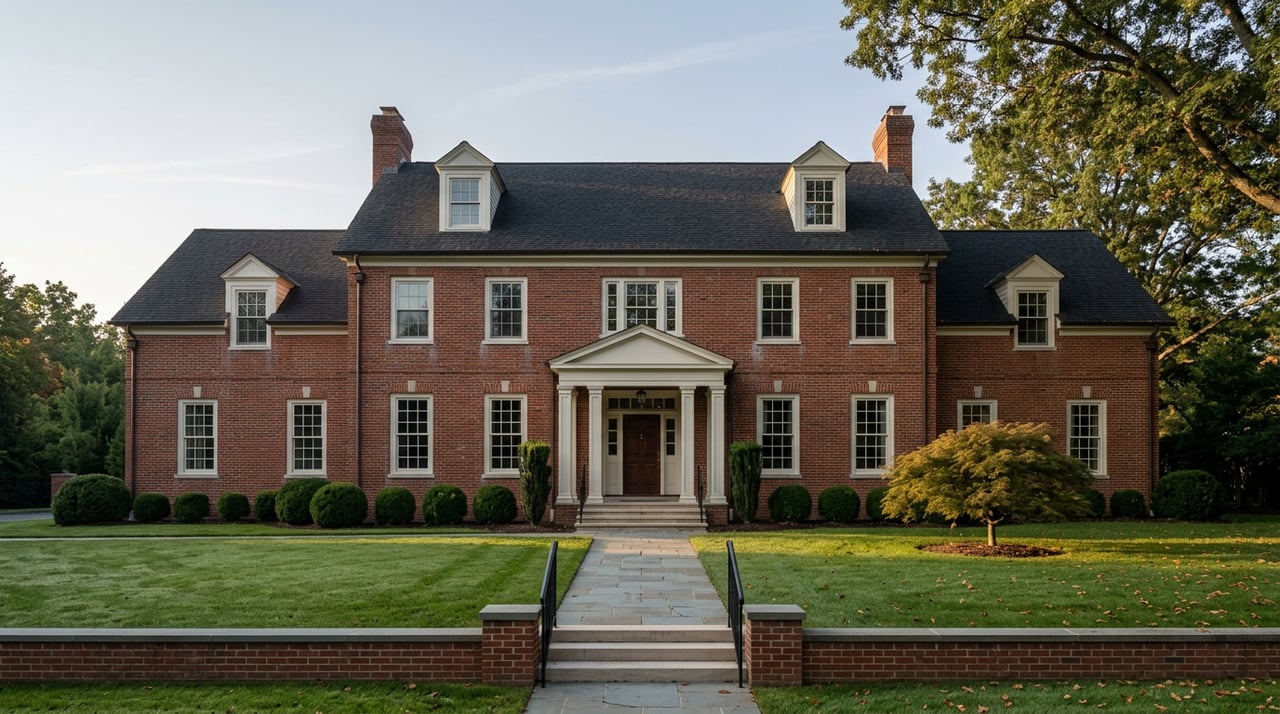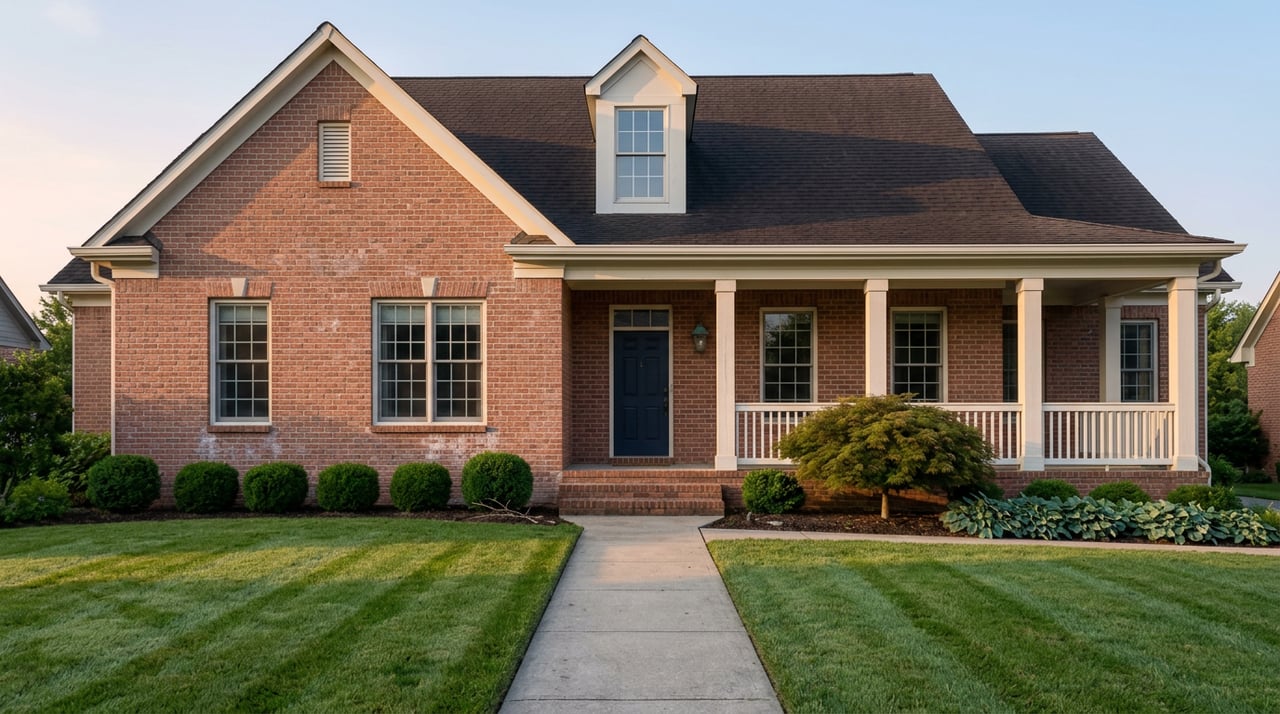
Fallen for a classic Bexley Tudor or Colonial, but worried about slate roofs, old wiring, and permits slowing your plans? You are not alone. Buying a historic home can deliver character and long-term value, but it takes smart planning. In this guide, you will learn how to navigate Bexley’s Architectural Review Board, what to inspect and budget, and which financing and insurance options can help so you buy with confidence. Let’s dive in.
Why Bexley’s historic homes stand out
Bexley is known for mature, tree-lined streets and early 20th-century architecture. You will find Tudor Revival, Colonial Revival, Craftsman, Foursquare, and grand estate homes. That variety gives you curb appeal and craftsmanship you cannot replicate easily today.
With that charm comes responsibility. Many older homes need updates to electrical, plumbing, roofs, and windows. A thoughtful plan keeps the character you love without costly surprises.
Know the rules: ARB, COAs, and timing
Bexley’s Architectural Review Board (ARB) reviews most exterior changes to ensure neighborhood character stays intact. Many projects require a Certificate of Appropriateness (COA) before permits are issued. Start by reviewing the city’s ARB overview and reach out to staff early for guidance.
- Read the city’s overview of the ARB process and meeting info on the official Architectural Review Board page.
- Study the city’s detailed Residential Design Guidelines for what needs a COA, staff-level approvals, and compatible materials.
- Expect design review to add weeks or months for larger projects. Build this into your offer, inspection window, and contractor scheduling.
Demolition or partial demolition is closely reviewed. Bexley’s zoning code for Chapter 1223 Architectural Review outlines criteria that can delay or deny demolition, including economic hardship tests. If you are planning major exterior changes or additions, talk to staff before you buy.
Projects likely to need review
- Window replacement or visible storm windows
- Porch, stoop, and façade changes
- Roofline changes, skylights, and major roofing material changes
- New additions, garages, and most fences or driveways
Ask the seller for past COAs and permits. If exterior work was done without approvals, you could inherit compliance issues.
What to inspect and budget for
Historic homes can be remarkably solid, but systems and hidden moisture are often where costs live. Order a thorough home inspection plus targeted specialists, and set a realistic contingency.
Electrical safety and capacity
Older homes can have undersized panels, fuses, knob-and-tube, or ungrounded wiring. Upgrading to a modern 200-amp service and replacing obsolete wiring improves safety and helps with insurance. Panel upgrades often cost in the low thousands, while full rewires can reach the five figures depending on size and access. Get bids from licensed electricians.
Plumbing and sewer lines
Galvanized or lead supply lines and aging cast-iron drains are common. Low pressure, staining, or slow drains can hint at issues. Budget for whole-house repiping to copper or PEX if needed, and order a sewer scope to check for roots or deterioration. Repipes often fall in the mid-thousands to low five figures depending on scope.
Roofs and flashing
Slate and tile are beautiful and durable, but repairs require specialists. Asphalt is more affordable, yet a material change may need ARB review. Pay close attention to flashing, valleys, and underlayment. Get estimates from contractors experienced in your specific roof type.
Windows and exterior woodwork
You do not always need to replace historic wood windows. The National Park Service notes that repair, weatherstripping, and quality storm windows can provide much of the energy savings while preserving character. Review NPS guidance on preservation by topic for windows and related best practices. If replacement is unavoidable, plan for ARB review and select compatible profiles and materials.
Lead, asbestos, and radon
- Lead paint: For homes built before 1978, federal rules require disclosure. If you plan to disturb paint, hire contractors trained under the EPA’s Renovation, Repair and Painting rule. Learn more about lead-safe work practices from Florida Health’s RRP overview.
- Asbestos: It may be present in older floor tiles, insulation, or attic materials. Test before disturbing.
- Radon: Franklin County is in a higher-radon area. Test during inspection and budget for mitigation if levels exceed 4.0 pCi/L. Find local testing resources through Franklin County Public Health.
Foundations, drainage, and moisture
Water is the enemy of older houses. Check grading, gutters, downspouts, and perimeter drains, and look for signs of long-term intrusion or wood rot. The National Park Service recommends addressing moisture sources before tightening or insulating historic walls. See NPS guidance on sustainability and energy in historic buildings.
How much to set aside
For historic or character homes, a smart rule of thumb is to budget a renovation contingency of 10 to 25 percent on top of contractor bids. Specialty trades like slate roofing, custom millwork, and plaster repair can run higher than standard remodels. Build this cushion into your financing plan.
Financing and insurance that help
You can wrap improvement costs into your mortgage with renovation loan programs. This keeps cash flow manageable and aligns upgrades with the purchase.
- FHA 203(k): For owner-occupants, the FHA 203(k) program allows you to finance purchase plus repairs in one loan. Confirm local lender participation and program limits.
- Fannie Mae HomeStyle: The HomeStyle Renovation loan is a conventional option that also rolls improvements into your mortgage.
- Historic incentives: The federal 20 percent Historic Rehabilitation Tax Credit generally applies to certified rehabilitations of income-producing historic buildings, not owner-occupied single-family homes. Ohio’s state program is competitive and typically supports larger rehabilitation projects. Do not assume eligibility without checking with the State Historic Preservation Office.
Insurance is another must-check. Older or historic homes often need specialty coverage or endorsements, such as ordinance and law, like-kind materials, or extended replacement. Some carriers inspect roofs, wiring, and HVAC before issuing a policy, and may require upgrades. Review the coverage types outlined by Insurance.com and get quotes early in your inspection period.
Smart offer strategy for older homes
When you write an offer on a character home, build due diligence into your terms.
- Ask for the full COA and permit history for exterior work, plus contractor invoices and warranties.
- Include a robust inspection window with rights to bring in electrical, plumbing, chimney, masonry, and structural specialists.
- Add a radon test and, for pre-1978 homes, a lead-based paint disclosure and right to conduct a lead risk assessment.
- If you plan exterior changes, state that your schedule accounts for ARB review and set expectations with your lender and contractor.
- Use credits or price adjustments if inspections uncover major systems issues or unpermitted work.
Your first 60 days, simplified
Here is a practical roadmap to keep your purchase and projects on track.
- Week 1 to 2: Order your general inspection, sewer scope, and specialist evaluations. Start insurance quotes. Request all COAs, permits, and system invoices from the seller.
- Week 2 to 3: Price repairs with at least two bids per trade. If exterior work is planned, consult Bexley Planning staff and review the Design Guidelines to confirm if a COA is required.
- Week 3 to 4: Finalize your renovation scope for loan documentation if using FHA 203(k) or HomeStyle. Decide on credits or repairs with the seller based on findings.
- Weeks 4 to 6: If needed, prepare drawings for ARB review, submit your COA application, and coordinate timelines with your contractor and lender.
- Weeks 6 to 8: Lock insurance coverage and confirm specialty endorsements. Set a start date for approved work post-closing.
Pricing snapshot: making sense of Bexley numbers
Online portals can show very different price figures for the same market. For example, Zillow’s ZHVI reported a typical Bexley home value near 549,200 as of January 31, 2026, while Redfin showed a median sale price closer to 399,000 around January 2026. Why the gap? Vendors use different data sets and time frames, and some include or exclude condos or land. Use these as directional context, then rely on a local comparative market analysis and property-specific condition to set your target range.
Due-diligence checklist for showings and inspections
Bring this list to your next tour or offer meeting.
- Confirm ARB or local historic status and ask for copies of any COAs or conditions listed on the ARB page.
- Review the Residential Design Guidelines to see if planned work needs a COA.
- Order a general inspection plus targeted specialists: electrical, plumbing and sewer camera, chimney and masonry, structural engineer if needed.
- Test for radon using resources from Franklin County Public Health. For pre-1978 homes, discuss a lead risk assessment per EPA RRP.
- Budget a 10 to 25 percent contingency for surprises and specialty trades.
- Get homeowners insurance quotes early and confirm endorsements for historic materials or slate roofs.
- Discuss renovation loans early so your scope aligns with FHA 203(k) or HomeStyle documentation.
Work with a local guide who knows Bexley
Buying a historic home should feel exciting, not stressful. With deep Bexley experience and a design-forward approach, you get clear guidance on ARB rules, targeted inspections, smart budgeting, and presentation choices that respect the home’s character. If you are ready to explore Bexley’s most charming properties or want a second opinion on a specific listing, schedule a personal market consultation with Michelle Balzer.
FAQs
What is the Architectural Review Board in Bexley?
- The ARB is a city body that reviews many exterior changes to ensure they fit neighborhood character, and it often requires a Certificate of Appropriateness before permits are issued.
Which exterior projects usually require ARB approval?
- Window replacements, porch or façade changes, roofline changes, major siding work, additions, and many fences or driveways typically need review before permitting.
How long does the ARB and COA process take for a Bexley home?
- Simple items can be staff-approved, but larger projects may add weeks or months; plan timelines with your contractor and lender accordingly.
What inspections should I order for a historic Bexley house?
- In addition to a general home inspection, bring in electrical, plumbing with a sewer scope, chimney and masonry, possible structural review, a radon test, and a lead risk assessment for pre-1978 homes.
Can I use renovation financing to update a historic home?
- Yes. FHA 203(k) and Fannie Mae HomeStyle can combine purchase and improvements in one loan, subject to lender availability and program limits.
Do historic tax credits apply to my owner-occupied Bexley home?
- The federal 20 percent credit generally applies to income-producing historic buildings, not primary residences; Ohio’s program is competitive and usually supports larger rehabilitation projects.
How much should I budget for surprises in an older home?
- Plan a 10 to 25 percent contingency above contractor bids, especially for specialty trades like slate roofing, custom millwork, or plaster repair.