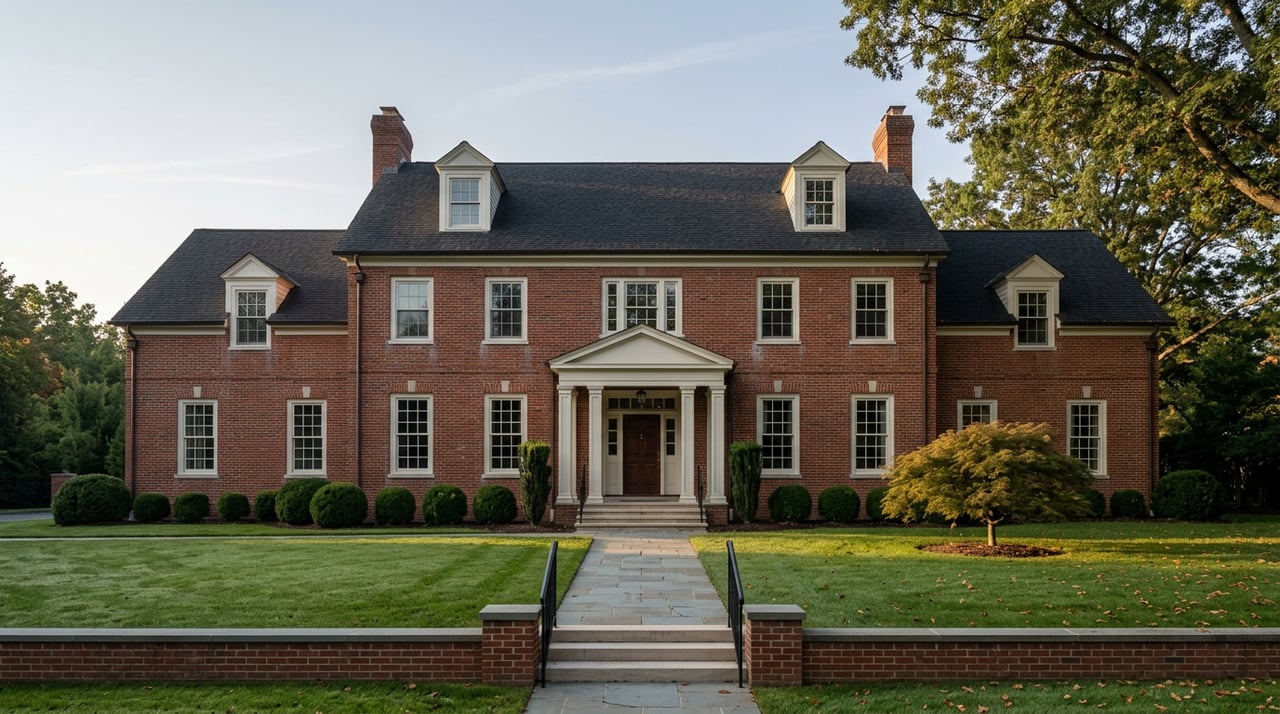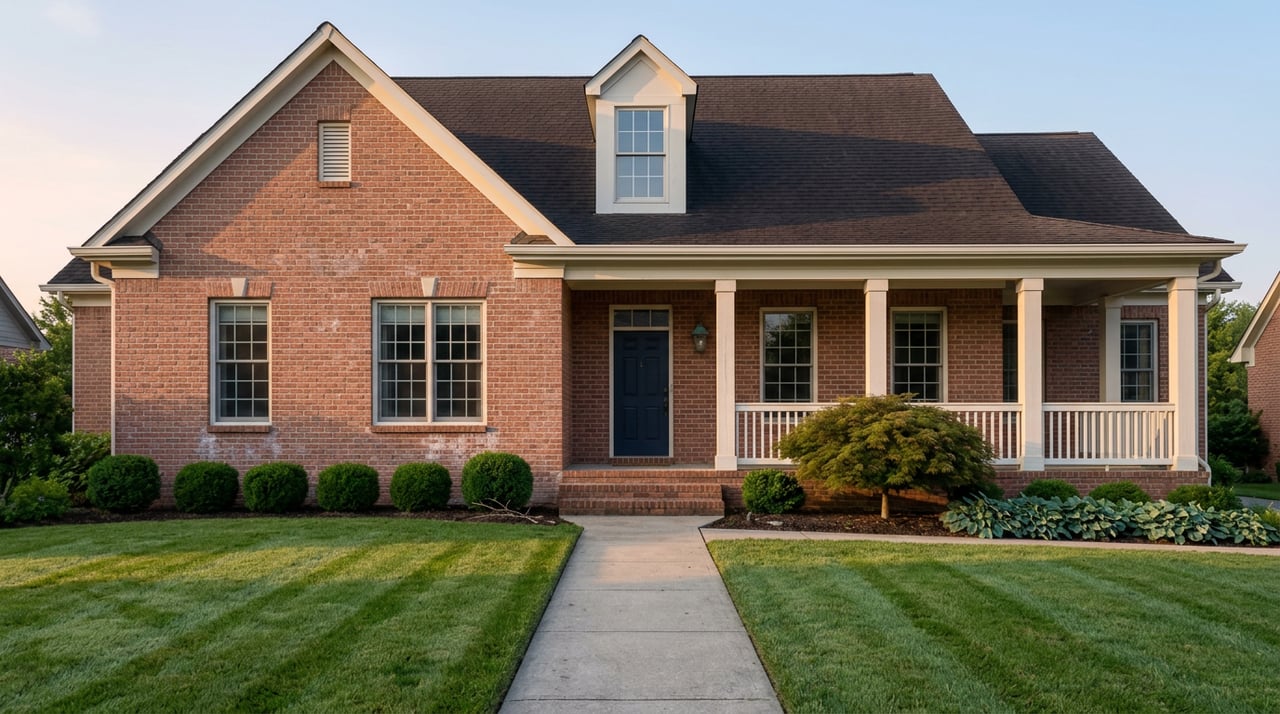
Wondering why one Bexley home draws immediate attention while another sits longer, even when both have similar bedroom counts? In Bexley, buyer demand is shaped by more than square footage alone. Style, lot setup, update quality, and how well a home fits the city’s historic character all play a major role. If you are buying or selling here, understanding those details can help you price smarter and spot value more clearly. Let’s dive in.
Why Bexley homes price differently
Bexley is not a one-style housing market. Incorporated in 1908, the city is known for its historic housing stock, much of which is now more than 100 years old. Its tree-lined setting also matters because Bexley is a municipal arboretum with more than 14,000 street trees and 131 tree species, which shapes curb appeal and the overall feel of each block.
That combination creates a market where buyers often respond to the full package, not just the house itself. In Bexley, architecture, streetscape, and how a home fits its surroundings can all influence value perception.
Architectural style affects buyer demand
Bexley includes a wide mix of home styles rather than one dominant look. The city’s residential design guidelines identify Tudor, French Normandy, Classical Revival, Dutch Colonial, Spanish and French-influenced homes, cottage-style homes, Cape Cods, and modernist designs.
That variety means buyers are not shopping one uniform product. They are often comparing very different homes, each with its own appeal, maintenance profile, and renovation expectations.
Broad Street homes sit in a different lane
The Broad Street hill is known for early-1900s estate homes as well as more modest homes that still share a strong emphasis on architectural detail. Styles there often include Tudor, French Normandy, and Classical Revival.
These homes can attract buyers looking for scale, presence, and original design features. In many cases, that puts them in a different pricing conversation than smaller homes elsewhere in Bexley.
Interior streets create micro-markets
The streets running north and south off Broad, Main, and Livingston show even more style variation. You may see Dutch Colonial, Tudor, Spanish or French-influenced designs, cottage homes, Cape Cods, and modernist houses within a relatively compact area.
Bexley Historical Society materials also point to style clustering in specific pockets. Sessions Village includes a French-Normandy neighborhood plan, Lyonsgate includes modernist homes, and nearby streets include Frank Lloyd Wright-inspired houses. That kind of street-by-street variation can create price differences even within the same city.
Square footage often matters more than style alone
Style absolutely influences interest, but it does not work in isolation. Bexley’s housing stock ranges from smaller early homes and kit homes to much larger residences, so size can move value significantly.
For example, Bexley Historical Society materials note that many Sears-era homes in South Bexley were about 1,000 to 1,400 square feet and designed for 40-foot lots. Recent Bexley sales tracked by Redfin included homes with 2,600 and 3,095 square feet. That is a wide spread, and it helps explain why buyers and sellers need carefully matched comparisons.
Functional space matters too
Buyers are not only looking at the number on paper. They are also reacting to how the home lives day to day. A well-laid-out smaller home can compete strongly in its size band, while a larger home with awkward flow may not earn the same response.
In Bexley, this is especially important because older homes can vary widely in room sizes, storage, and layout. Two homes with similar style may land in different price ranges if one feels more usable and updated for modern living.
Lot characteristics change value in real ways
When buyers compare Bexley homes, the lot often matters as much as the architecture. Historical materials show that lot patterns vary across the city, from expansive estate settings on North Parkview to South Bexley plats that often used rear alleys for garage access.
That means frontage, depth, backyard usability, and garage placement can all shape demand. Two homes with the same bedroom count may not compete equally if one has a more functional yard or easier parking arrangement.
Alley access and garage placement matter
In some parts of Bexley, rear alley access can be a helpful feature. In other situations, buyers may prefer a more direct driveway or a garage setup that feels more convenient.
This is not about one format being universally better. It is about how a specific lot layout fits buyer expectations for that price point and part of town.
Updates carry more weight in a historic market
In Bexley, updated does not always mean the same thing as improved. Buyers often respond best when renovations preserve the home’s original character while improving function and condition.
One local Tudor renovation highlighted by the Bexley Historical Society preserved original glass doorknobs, arched doorways, and a limestone fireplace. That is a good example of what many buyers value in historic neighborhoods: improvements that respect period details instead of removing them.
Generic updates can miss the mark
A home with brand-new finishes may still lose appeal if the work feels out of sync with the architecture. In a market like Bexley, style authenticity can support demand because buyers often notice details such as window patterns, trim, materials, and the overall consistency of the exterior.
This is one reason design-minded preparation can make a difference for sellers. Presentation is not only about making a home look fresh. It is also about helping the right buyers understand and appreciate what makes that home special.
City review affects renovation decisions
Bexley’s Building and Zoning Department requires permits and design review for many exterior changes. That includes windows, siding, roofs, decks, garages, porches, additions, and new homes.
For buyers, that means renovation costs and timelines may be more involved than expected. For sellers, it means deferred maintenance or mismatched exterior changes can have a bigger impact on value than they might in a less regulated market.
Exterior changes need a Bexley lens
Because exterior work is reviewed by the city, buyers often look closely at whether changes feel appropriate to the house and the block. A thoughtful exterior update can support value, while a poorly matched one may narrow the buyer pool.
This is one reason Bexley pricing is so sensitive to nuance. Condition matters, but fit and finish matter too.
What the current Bexley market means
Bexley is currently a very competitive market. Over the three months ending April 2026, the median sale price was $798,088, homes sold after a median of 27 days, and the median sale-to-list price ratio was 100.1%. During that same period, 34.8% of homes sold above list price, while 14.0% had price drops.
In a market like this, the right comp set becomes even more important. Broad averages can miss what buyers are actually paying for in a specific pocket or style category.
How buyers and sellers should think about comps
The best Bexley comps usually match more than bedroom count. They should line up as closely as possible in style, era, square footage, lot pattern, and update level.
A Tudor on a larger Broad Street lot, a renovated Colonial with updated systems, and a smaller Cape Cod on a 40-foot lot may all be Bexley homes, but they may not compete in the same price band. That is why accurate pricing here depends on local judgment, not just automated estimates.
What sellers should focus on
If you are selling, start with the features buyers will notice first:
- Architectural style and curb appeal
- Exterior condition and period fit
- Square footage and layout efficiency
- Lot usability and garage access
- Quality and consistency of updates
A thoughtful pricing and presentation strategy can help your home compete on the factors that matter most in Bexley. This is especially true for character homes, where details can influence both first impressions and final offers.
What buyers should focus on
If you are buying, it helps to separate cosmetic appeal from long-term value. A beautiful home may still need exterior work that involves design review, while a less polished home may offer strong upside if its bones, lot, and style are right.
Look closely at these points:
- How the home fits its streetscape
- Whether updates preserve original character
- The usefulness of the yard and garage setup
- The size band of the home compared with nearby sales
- Whether the comp set truly matches the property
In Bexley, that kind of analysis can help you avoid overpaying for surface-level finishes or missing a strong opportunity.
If you want help reading the nuances of Bexley’s character homes, lot patterns, and pricing differences, Michelle Balzer offers neighborhood-savvy guidance backed by thoughtful presentation and local market insight.
FAQs
Which Bexley home styles tend to attract buyer interest?
- Buyer interest in Bexley often centers on distinctive historic styles such as Tudor, French Normandy, Classical Revival, Dutch Colonial, Cape Cod, cottage, and certain modernist homes, especially when the architecture feels well preserved and consistent with the streetscape.
How much does square footage matter in Bexley home values?
- Square footage matters a great deal in Bexley because the housing stock ranges from roughly 1,000 to 1,400 square foot South Bexley kit homes to much larger homes over 2,600 square feet, so size and layout often shift value more than style alone.
Do lot size and alley access affect Bexley prices?
- Yes, lot frontage, depth, backyard usability, and garage placement can all affect buyer demand in Bexley, especially because some areas have estate-style lots while others rely on rear alley access.
Are period-correct renovations worth more in Bexley?
- In many cases, buyers respond well to renovations that preserve original details and architectural character, so period-sensitive updates may support demand more effectively than generic changes.
Why are Bexley exterior updates more complex?
- Many exterior changes in Bexley require permits and design review by the city, including windows, siding, roofs, porches, garages, decks, additions, and new construction, which can affect both renovation timelines and value.
Why is comp selection so important in the Bexley market?
- Bexley is a competitive market with varied home styles, lot types, and update levels, so the most accurate comps usually match the home’s architecture, era, square footage, lot pattern, and condition rather than just bedroom count.