Is your Bexley classic full of charm but not sure how to make it shine for today’s buyer? You’re not alone. Historic homes attract attention, yet buyers still expect light, function, and a clean, move-in feel. In this guide, you’ll learn how to stage a historic Bexley home so it honors its character and photographs beautifully, while meeting modern expectations. You’ll also see where to focus your budget, what approvals to check, and how to plan your listing timeline. Let’s dive in.
What Bexley buyers expect today
Many buyers choose Bexley for its neighborhood character and walkable, tree-lined streets. The local district received a 5-star rating on the 2024–2025 state report card, which helps explain steady interest from families who value both community and daily convenience.
Pricing can look different depending on the data source and month. For example, one major portal reported a median near $750K in late 2025, while other vendors published medians closer to the mid $600Ks or lower. This is typical in smaller markets where a few sales can move the median. Use local comparables and consider seasonality when you set expectations. If you want to monitor broad trends, the Realtor.com Bexley market page provides a helpful snapshot.
Bottom line: buyers want preserved details, but they also want bright rooms, updated lighting, and good circulation. The right staging bridges both.
Preserve character, show modern comfort
For historic Bexley homes, your strategy should be dual: protect and highlight character-defining elements like millwork, built-ins, hardwood floors, and fireplaces, then present the home as bright, uncluttered, and functional in the living room, primary bedroom, and kitchen. Industry research finds these rooms carry the most weight with buyers, and thoughtful staging here can shorten time on market and strengthen offers.
Light and paint that respect history
- Walls. Keep it warm and neutral so trim and details stand out. New neutrals are shifting slightly earthier, with khaki and warm tones trending in 2026 forecasts. Test samples in each room and view at different times of day so colors read clean and inviting.
- Trim and millwork. If your woodwork is historically unpainted, preserve it. Do not paint original, unpainted wood without preservation guidance. Where trim is already painted and tired, refresh with a crisp, slightly warm white that feels classic and clean. The National Park Service recommends avoiding irreversible changes to historic finishes.
- Lighting. Layer ambient, task, and accent lighting and replace dated fixtures with period-appropriate reproductions. Choose high-CRI LEDs so colors and finishes look true in person and in photos. Aim for CRI 90 or higher, with warm 2700–3000K in living spaces and 3000–3500K in kitchens. This simple shift often transforms how a room photographs.
Helpful references:
- Color direction and neutrals: industry color outlook
- Preservation guidance on finishes: NPS rehab guidelines and Rehab Yes and No on finishes
- LED color and CRI basics: LED lighting guide
Furniture and flow for older floor plans
- Open sightlines. Remove extra pieces and float seating to improve circulation and reveal focal points like a fireplace or built-in bookcases. Keep walkways close to 30–36 inches where you can.
- Define function. Stage each main space for a clear use. The living room should invite conversation, the primary bedroom should feel calm and restful, and a small sunroom can read as a tidy home office. Research from the National Association of Realtors shows the living room, primary bedroom, and kitchen are the highest impact rooms to stage.
Source: NAR 2025 Home Staging report
High-impact updates with strong ROI
- Deep clean and declutter. This is the fastest way to make architectural details stand out. It is also the most common and effective staging step cited by agents.
- Neutral paint. Refresh bold or worn walls with warm neutrals. For any exterior repainting or visible changes, check Bexley’s Architectural Review Board process before you begin.
- Lighting and fixtures. Swap outdated fixtures for historically sympathetic styles and use high-CRI LED bulbs. Your photos will thank you.
- Floors and millwork. Refinish original hardwoods rather than replace when feasible. Repair in kind and avoid unnecessary removal of historic materials.
- Kitchen and bath soft refreshes. Rather than a gut, consider paint or refacing for cabinets, new hardware, updated faucets, a fresh backsplash, better lighting, and a modest countertop upgrade. National Cost vs Value data shows minor kitchen remodels often recoup a large share of cost at resale.
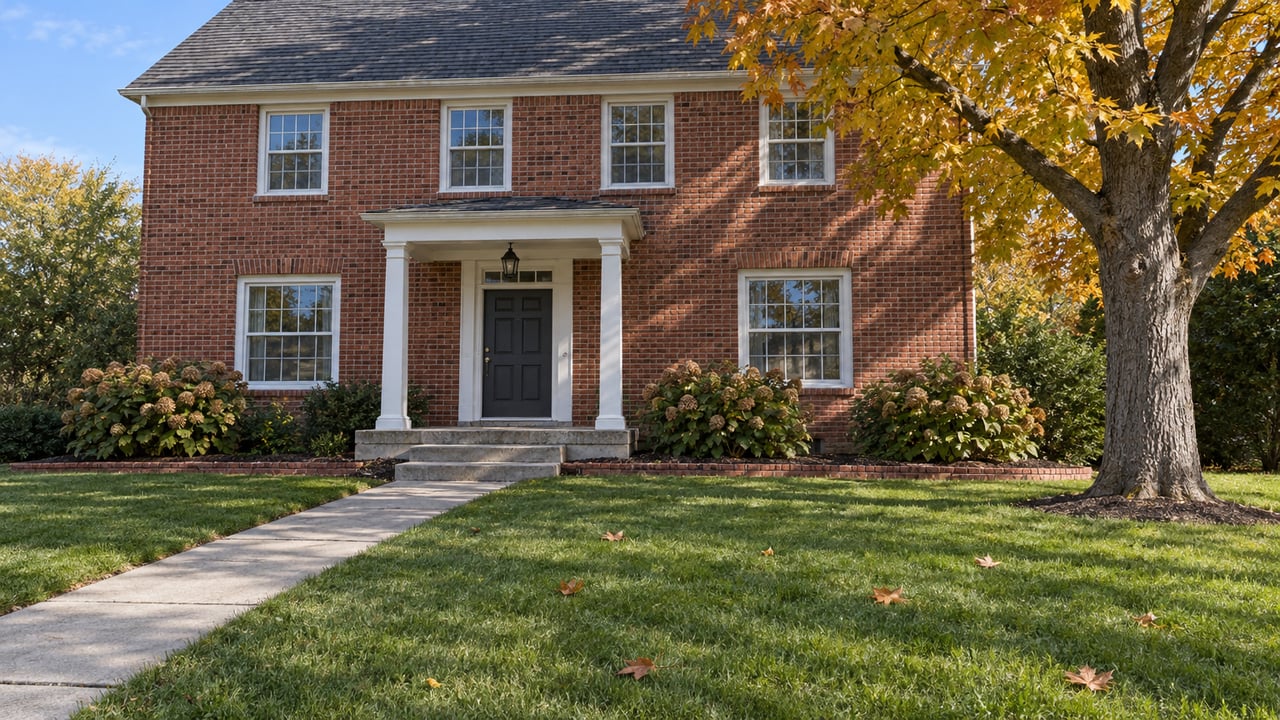
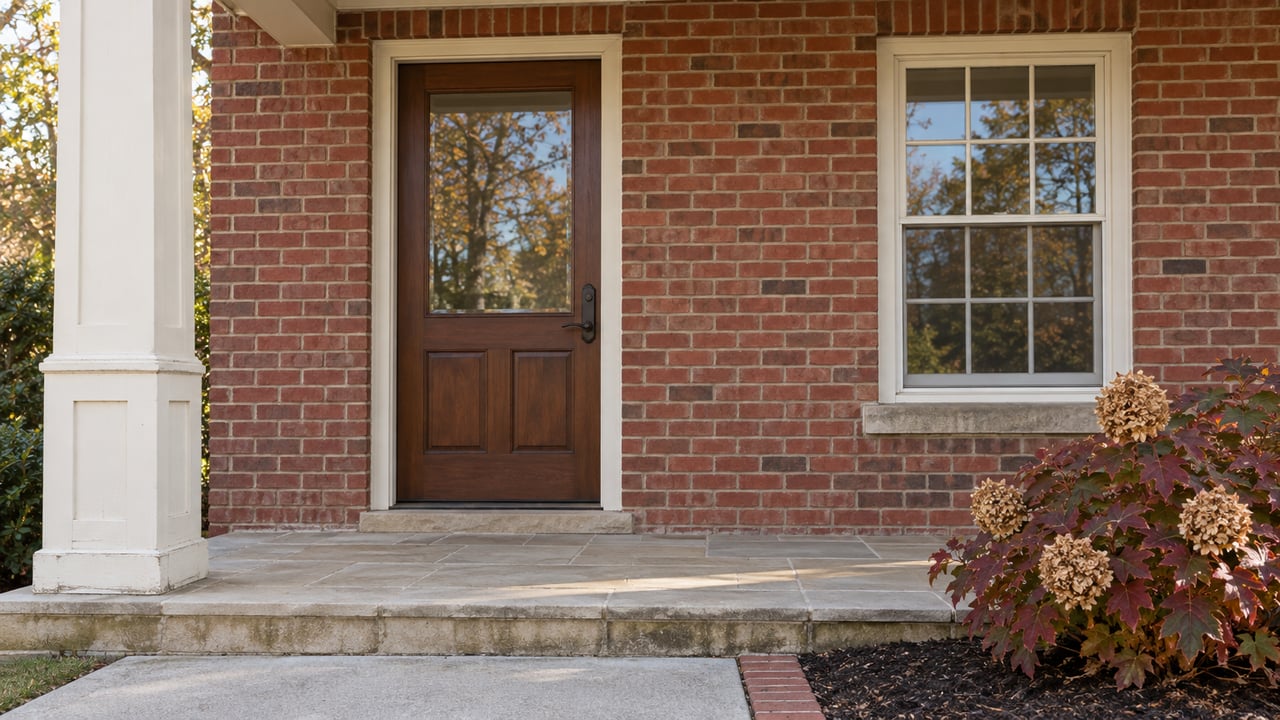
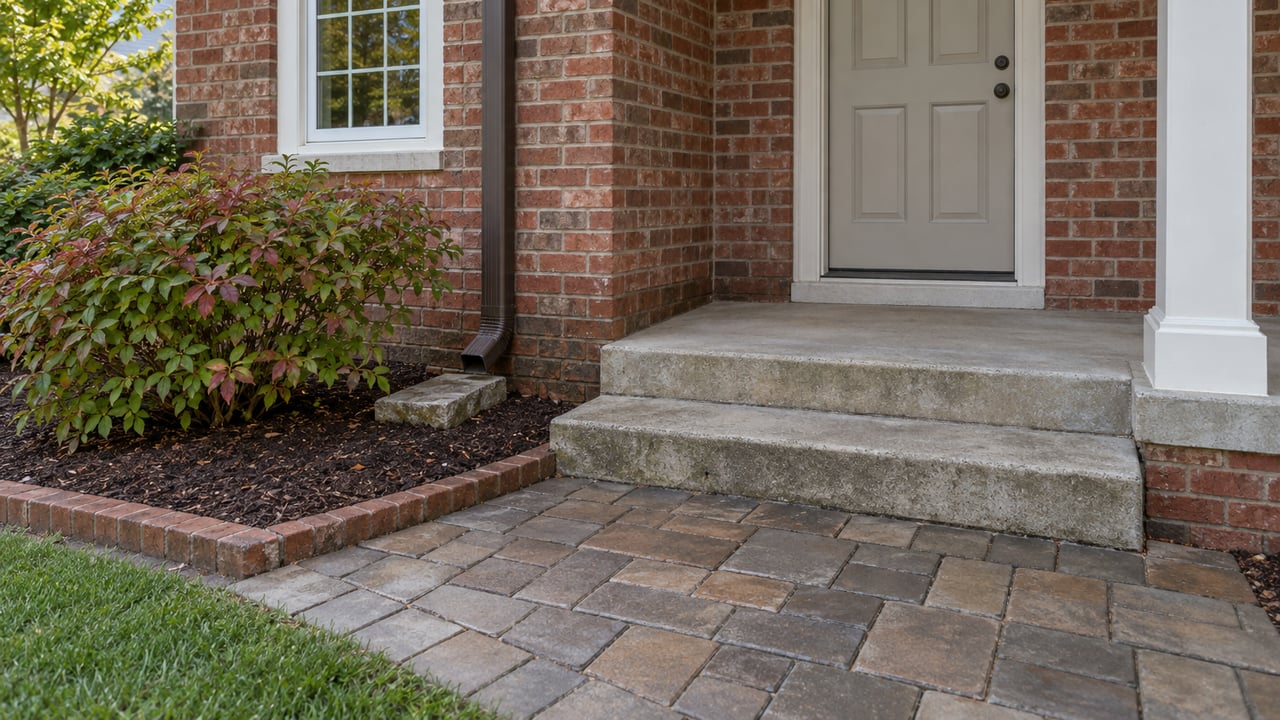
- Curb appeal. Tidy the walkway, touch up porch rails, clean exterior surfaces, and consider a period-appropriate front door color. Exterior refreshes are among the better performing resale projects on Cost vs Value.
Guidance and data:
- Staging priorities and impact: NAR 2025 Home Staging report
- Preservation-first repairs: NPS rehab guidelines
- Project ROI: 2025 Cost vs Value report
Approvals, permits, and incentives to check first
- Bexley ARB review. Exterior changes that affect visible materials or design, including doors, windows, and paint colors in certain contexts, may need Architectural Review Board oversight. Review timelines early so you do not disrupt your listing schedule. Start here: Bexley ARB and design review.
- Respect preservation standards. The Secretary of the Interior’s Standards encourage retaining original finishes and using reversible changes when possible. This applies to interior materials like unpainted woodwork as well as exterior details.
- Historic tax credits. Federal and Ohio historic tax credits generally apply to certified rehabilitations of income-producing properties, not most owner-occupied single-family homes. If you are considering a multi-unit or commercial conversion that would rely on credits, begin discussions with the State Historic Preservation Office well before construction. Learn more at the Ohio History Connection’s program overview.
References:
- Standards and technical guidance: NPS rehab guidelines
- Bexley ARB: Architectural Review Board
- Historic incentives overview: Ohio historic tax incentives
Safety and disclosures for pre-1978 homes
If your home was built before 1978, federal rules apply. You must provide buyers with the EPA and HUD pamphlet “Protect Your Family From Lead in Your Home,” disclose known lead information, and allow buyers the option to inspect. Renovations that disturb painted surfaces can trigger Renovation, Repair and Painting rules, which require certified contractors. Plan these steps early so you do not delay your listing. See the EPA’s summary of the Lead-Based Paint Disclosure Rule for details.
Source: EPA — Lead-Based Paint Disclosure Rule
Photography that sells your story
Professional photos are essential. Buyers and agents rely on strong visuals, and well-staged, well-lit rooms convert more online views into in-person showings. Floorplans and a short virtual tour help buyers understand circulation, which is especially valuable in older homes.
- Include a twilight exterior. If your porch lighting, landscaping, or façade shine after dusk, schedule one twilight image. A skilled photographer will bracket exposures to capture the short window of blue-hour light. Learn how pros plan this moment with these twilight photography basics.
- Pre-photo checklist. On photo day, turn on all lights, open drapes or blinds, clear countertops, hide personal items, and fluff textiles. Add a small vignette in each key room, like a tray with fresh flowers on the kitchen counter. Research from NAR reinforces that compelling photos and staging strongly influence buyer decisions.
Reference: NAR 2025 Home Staging report
6–12 month plan and sample budget
A simple plan helps you pace decisions and protect your timeline.
6–12 months out
- Talk with your agent and, if you plan exterior work, confirm whether ARB review applies. Check meeting schedules and submittal deadlines.
- Address major systems and any active moisture issues. If work may disturb painted surfaces in a pre-1978 home, hire RRP-certified professionals.
- Decide if any larger preservation projects are necessary and whether they affect timing.
1–3 months out
- Complete cosmetic updates such as neutral interior paint, floor refinishing where needed, new lighting or hardware, and minor kitchen or bath refreshes.
- Deep clean and declutter. Plan your staging and photo date.
- For budgeting, NAR reports a median professional staging cost of about $1,500, with lower costs when the listing agent provides staging.
0–2 weeks out
- Install final staging touches, complete professional photography including one twilight exterior, confirm floorplans and marketing copy, and prepare all required disclosures.
ROI note: The 2025 Cost vs Value data shows that minor kitchen remodels often recoup a substantial share of cost and can outperform large luxury overhauls when selling. Prioritize targeted improvements that photograph well and support daily function.
References:
- Bexley ARB: Architectural Review Board
- Staging cost and impact: NAR 2025 Home Staging report
- ROI guidance: 2025 Cost vs Value report
- Lead rules summary: EPA — Lead-Based Paint Disclosure Rule
Quick room-by-room staging checklist
Living room
- Float the sofa to open circulation and frame the fireplace or built-ins.
- Add layered lighting and a soft rug to ground the seating area.
- Keep art and accessories simple so millwork reads clearly.
Primary bedroom
- Use a neutral, calm palette with crisp bedding and balanced nightstands.
- Add warm, dimmable lamps and limit furniture to improve flow.
- Style the closet lightly to show storage potential.
Kitchen
- Clear counters, replace dated hardware, and update lighting.
- Touch up cabinet paint or reface doors if worn.
- Add a single fresh element, like a bowl of citrus or a small herb planter, to photograph well.
Entry and porch
- Clean, repair handrails as needed, and refresh the doormat.
- Ensure house numbers and exterior lights are working and visible.
- If you plan an exterior color change, confirm ARB requirements first.
Ready to stage your Bexley classic?
You can honor your home’s history and still give buyers the fresh, functional feel they want. Focus on light, flow, and a few targeted updates, then let professional photos tell the story. If you would like a tailored plan for your address, schedule a personal market consultation with Michelle Balzer. Her design-minded approach and neighborhood expertise will help you present your home with confidence.
FAQs
How is staging different for a historic Bexley home?
- You keep original features front and center while using neutral paint, layered lighting, and simplified furniture layouts so rooms feel bright, functional, and current.
Do I need approval to repaint my front door in Bexley?
- It depends on visibility and location. Exterior changes may require review, so check Bexley’s Architectural Review Board process early to confirm timing and requirements.
Which rooms should I prioritize for staging?
- The living room, primary bedroom, and kitchen typically deliver the most impact with buyers and in listing photos, which helps reduce days on market.
What should I know about lead paint when selling a 1920s home?
- For pre-1978 homes, you must provide the federal lead disclosure pamphlet, share known lead information, and allow buyers the option to inspect. Use RRP-certified pros if disturbing painted surfaces.
Is a full kitchen remodel worth it before listing?
- Often, no. Minor, targeted updates like hardware, lighting, backsplash, and counters tend to recoup a larger share of cost and finish faster than a full gut.
What lighting should I use to make rooms look their best?
- Choose high-CRI LED bulbs at warm 2700–3000K in living spaces and 3000–3500K in kitchens, and add task and accent lighting to reduce shadows in photos.
Do historic tax credits apply to my single-family home?
- Generally not. Federal and state historic tax credits are designed for income-producing, certified rehabilitation projects. Single-family owner-occupied homes typically do not qualify.