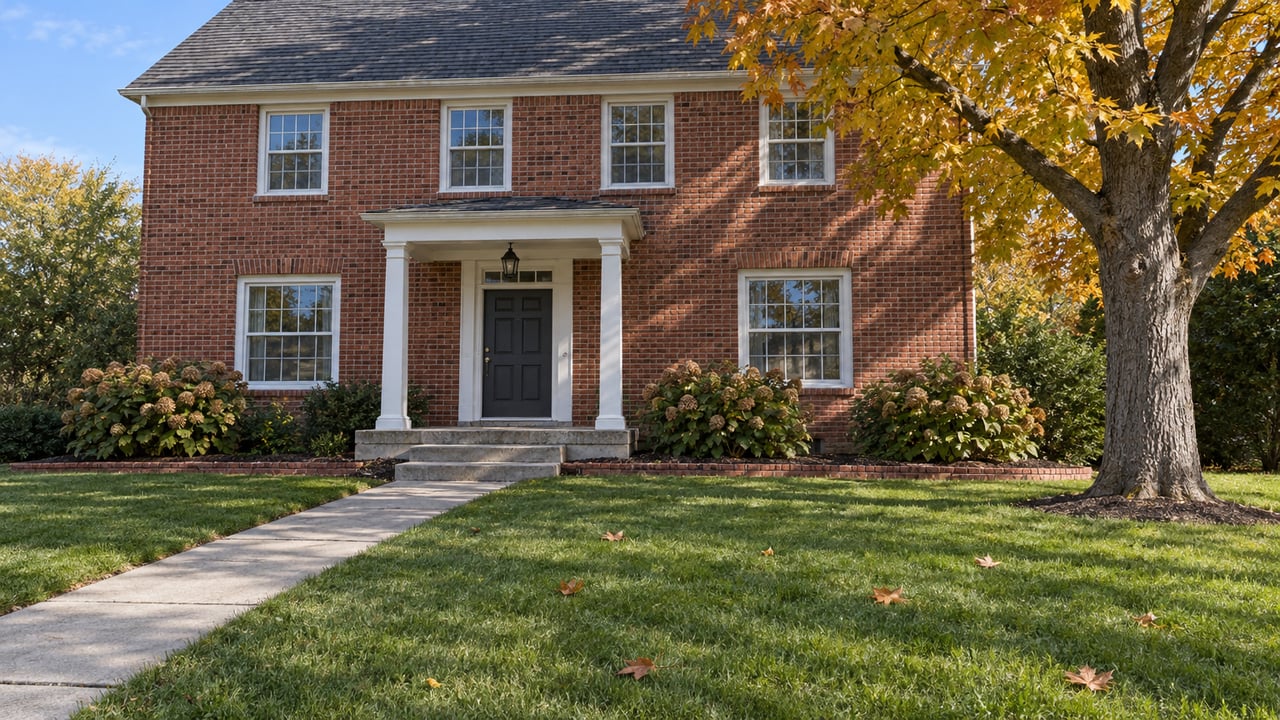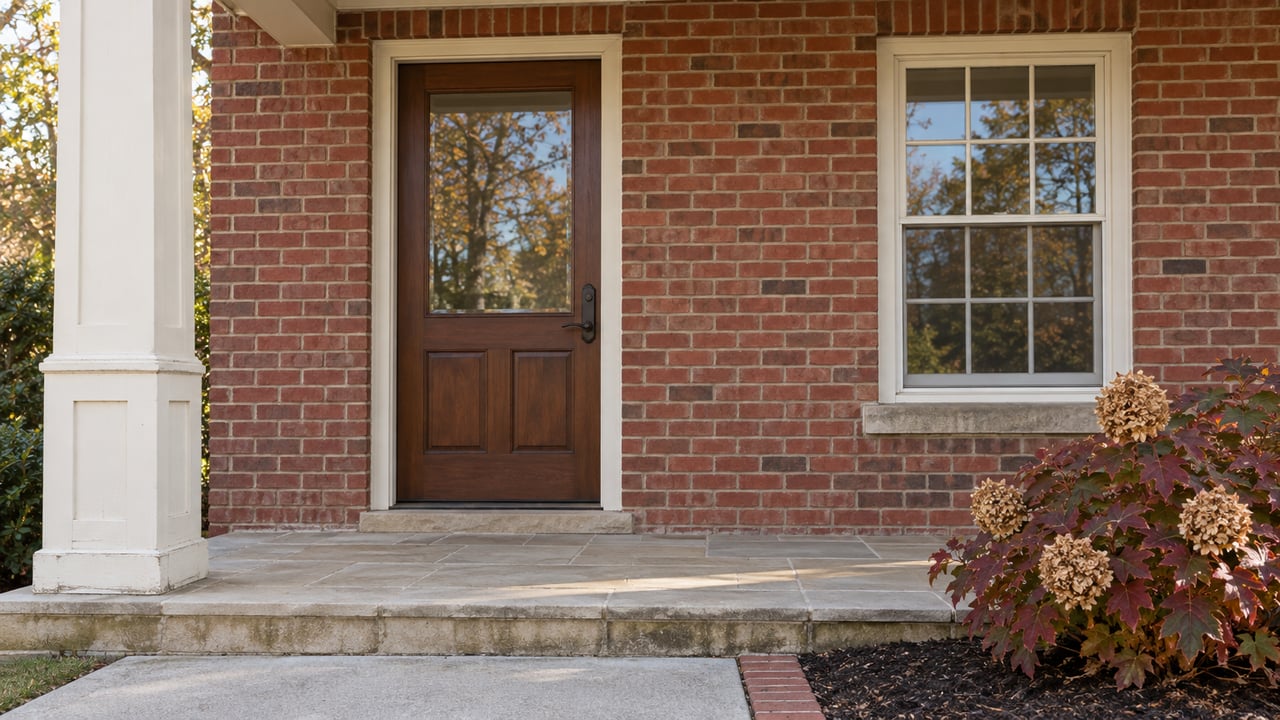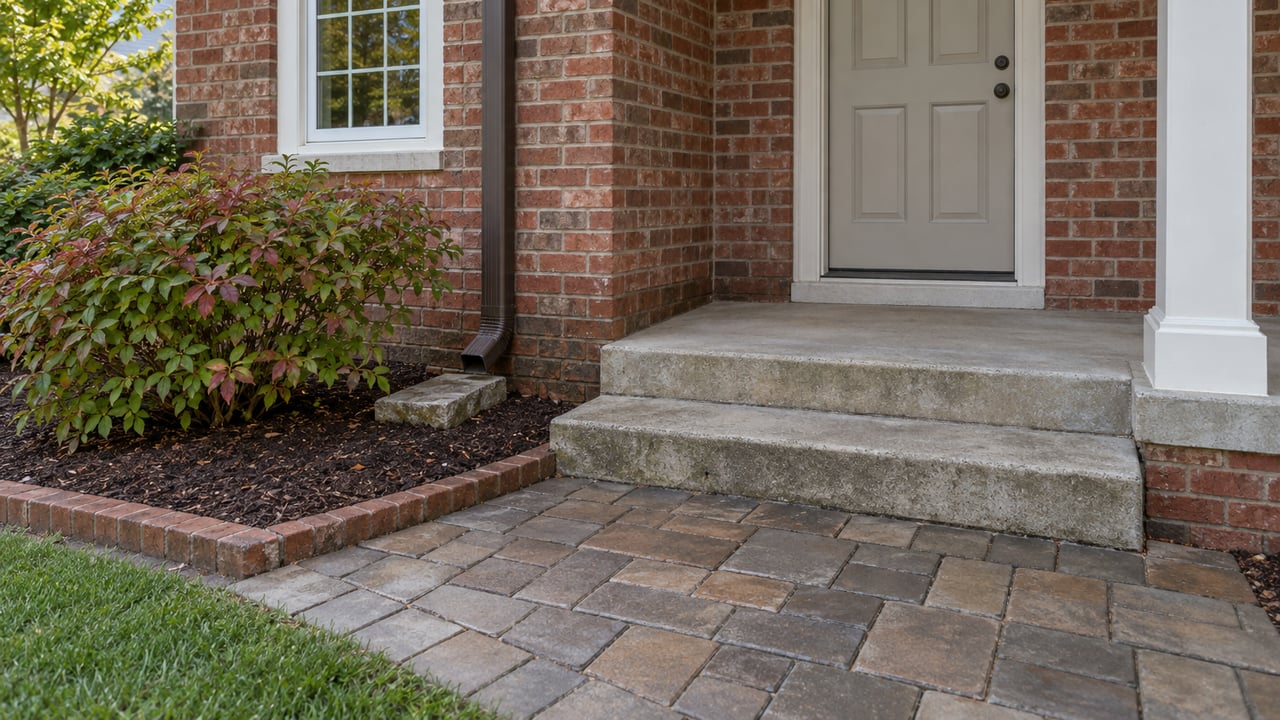
What makes a Bexley home feel truly special? In many cases, it is not just the age of the house or the freshness of the updates. It is the way original character and modern comfort work together. If you are buying, selling, or renovating in Bexley, understanding that balance can help you make smarter decisions and better appreciate what gives these homes lasting appeal. Let’s dive in.
Why Bexley Homes Stand Out
Bexley’s housing story naturally supports an old-meets-new approach. The city was incorporated in 1908 from the Bullit Park and Pleasant Ridge neighborhoods, and its long-term vision highlights strong architecture, adaptability, and preserving heritage while moving forward.
That history shows up in the homes you see today. According to the Bexley Historical Society, the city includes a wide mix of early-20th-century styles, including Arts & Crafts, European Revival, American 4-Square, Colonial Revival, Cape Cod, Dutch Colonial, English, and Spanish Mission. The Society’s century-home program also recognizes homes built by 1923 or earlier.
For you as a buyer or seller, that means Bexley is not a market where old character has been pushed aside. Instead, many buyers expect classic curb appeal, original craftsmanship, and a neighborhood feel that still works for modern daily life.
What “Blending Old and New” Really Means
In Bexley, the most successful updates usually respect the home’s original identity. That often means keeping the street-facing character intact while improving the spaces that support how you live today.
The National Park Service’s Standards for Rehabilitation describe this approach as preserving the features that give a property its historic and architectural value while allowing repair, alterations, and additions for a compatible modern use. In simple terms, the goal is not to freeze a home in time. The goal is to update it thoughtfully.
That is why so many well-done renovations focus on kitchens, baths, mudrooms, and circulation areas. These are the places where modern function matters most, but they can often be improved without stripping away the details that make an older house feel like Bexley.
Design Choices That Often Work Best
If you are evaluating a renovation or planning one, a few patterns tend to stand out in updated Bexley homes.
Preserve the front facade
A home’s front exterior often carries much of its original personality. Keeping that street view consistent with the house’s age and style usually helps the renovation feel more natural and better connected to the surrounding streetscape.
Keep original details when possible
Original trim, staircases, built-ins, windows, and room proportions can be a big part of a home’s appeal. Repairing these features rather than replacing them often preserves the sense of craftsmanship that buyers notice right away.
Place bigger changes at the rear
Larger changes often work best when they are located at the back of the house or designed as additions that feel secondary to the original structure. This can help the home function better without overpowering its historic form.
Match scale and materials
When replacements or additions are needed, compatibility matters. Window proportions, exterior materials, and the overall size and massing of new work should feel intentional and in step with the original house.
Why Local Review Matters in Bexley
Bexley has a formal exterior review process, and that matters more than many buyers realize. The city’s Architectural Review Board hears applications for exterior architectural changes to residential and commercial properties.
The Building and Zoning Department also says permits are required for HVAC, electrical, plumbing, additions, remodeling, demolition, driveways, fences, sidewalks, swimming pools, and hot tubs. If remodeling or addition work affects the exterior, approval from the Architectural Review Board or Design Consultant must happen before a construction permit can be issued.
It is also important to know that design review approval is not the same thing as a permit. A home may look beautifully updated, but the real question is whether the work was properly reviewed, approved, and permitted where required.
Minor vs. Major Exterior Changes
Not every project is treated the same way in Bexley. The city distinguishes between minor and major exterior changes, and that can shape what paperwork you should expect to see.
Minor architectural review items include things like replacement windows, siding, and standard non-slate roof work. Major exterior changes include additions, porch enclosures, demolitions, and new single-family homes, all of which require Architectural Review Board approval.
The Building Department also notes that any new exterior window opening may need ARB approval. For you as a buyer, this is a reminder to ask detailed questions if a home appears to have had extensive exterior work.
What to Look for When Touring Updated Homes
When you walk through a renovated Bexley home, try to look past the fresh finishes for a moment. A smart renovation should feel cohesive, not just new.
Start by asking whether the visible improvements fit the original structure of the house. If the layout, trim, and exterior proportions still feel balanced, that is often a good sign that the renovation was handled with care.
Then look for physical evidence of preserved character, such as:
- Original woodwork
- Stair details
- Built-ins
- Balanced room proportions
- Additions that do not overpower the original massing
These details often help separate a thoughtful update from a renovation that removed too much of what made the home special.
Ask for the Right Paper Trail
In Bexley, documentation matters. If a home has had additions, porch work, exterior window changes, or major systems updates, ask for permit records and approval history.
That is especially important because some work may be interior only, while exterior changes often trigger review and permitting. A polished kitchen or new bath may look great, but you still want to know whether the electrical, plumbing, HVAC, and structural work behind the walls was properly handled.
For sellers, this is also a great reminder. Having organized records for approved and permitted work can build buyer confidence and support the story of your home’s value.
Do Not Overlook Lead Safety
Older homes come with charm, but they can also come with important maintenance questions. The EPA says many homes built before 1978 contain lead-based paint.
Lead paint in good condition is usually not a hazard, but renovation, repair, and painting that disturb it can create dangerous dust. If you are considering an older Bexley home, it is reasonable to ask whether lead testing was done and whether renovation work was completed by lead-safe certified contractors.
This can be especially relevant in homes with older windows, painted trim, or peeling painted surfaces. It is one more way to understand whether updates were handled with care.
What Sellers Can Learn From This
If you own a Bexley home, the old-and-new balance is also part of your marketing story. Buyers are often drawn to homes that feel current but still retain authentic architectural character.
That means presentation matters, but so does restraint. Updates that complement the original home, especially on the exterior, often read as more valuable than changes that feel oversized or disconnected from the house’s style.
It also means your records matter. If your home has been thoughtfully renovated with the right approvals and permits, that information can help buyers feel more confident about both the quality of the work and the long-term value of the property.
Why Local Guidance Helps
Bexley is a market where details matter. Two homes may have similar square footage and similar updates, but the one that better preserves its original character and has a clean approval history can create a very different impression.
That is why local guidance can make such a difference. When you understand how architecture, renovation choices, and city review processes all connect, you are better equipped to evaluate value and make confident decisions.
Whether you are preparing to buy a character home, position your property for sale, or explore a renovation opportunity, it helps to work with someone who understands both the visual side of the home and the practical side of the process. If you are thinking about your next move in Bexley, schedule a personal market consultation with Michelle Balzer.
FAQs
What makes a renovated Bexley home feel well balanced?
- A well-balanced renovated Bexley home usually keeps its original street-facing character and architectural details while updating key living spaces like kitchens, baths, and circulation areas for modern use.
What exterior projects in Bexley may need review or approval?
- In Bexley, exterior changes such as additions, porch enclosures, demolitions, and some new window openings may require Architectural Review Board approval, while other exterior items may go through minor architectural review.
What records should buyers request for updated Bexley homes?
- Buyers should ask for permit records and approval history for additions, porch work, exterior window changes, and major electrical, plumbing, HVAC, or structural updates.
Why is lead safety important in older Bexley homes?
- Lead safety matters because many homes built before 1978 may contain lead-based paint, and renovation work that disturbs painted surfaces can create hazardous dust if not handled properly.
What helps sellers market an updated historic-style Bexley home?
- Sellers can strengthen their position by highlighting preserved original details, thoughtful modern updates, and organized records showing that work was properly approved and permitted where required.